Asana vs Trello: Honest Comparison (2026)

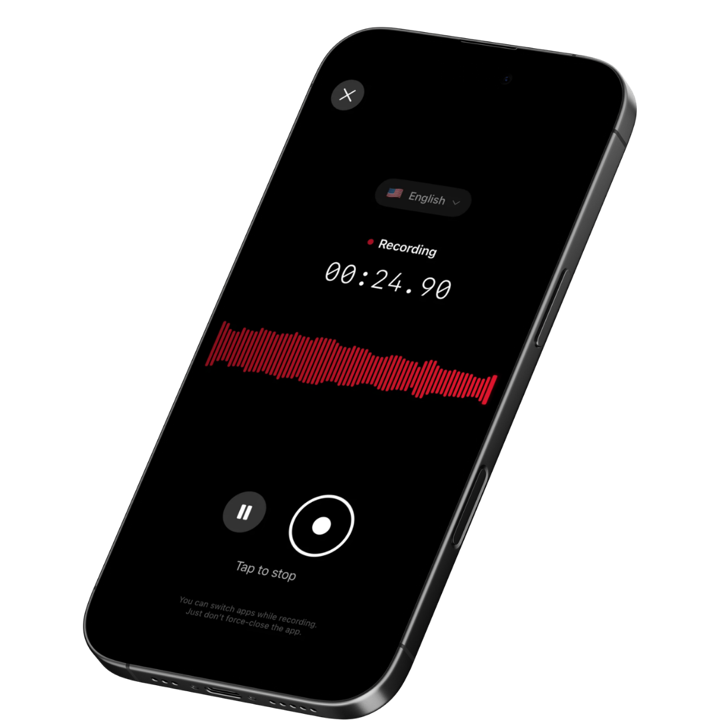

Used by recruiters, executives, consultants, and more.
Asana vs Trello: Which Is Better in 2026?
Asana is the better project management tool for teams managing complex projects in 2026. It offers timeline views, workload management, advanced reporting, and powerful automation. Trello wins for small teams and individuals who want simple, visual task management with Kanban boards. Asana starts at $10.99/user/month while Trello starts at $5/user/month. Choose Asana for 20+ person teams. Choose Trello for under 20 users who prefer simplicity.
Both Asana and Trello help teams organize work, track tasks, and collaborate. They overlap significantly on basic features like boards, lists, and due dates. The key difference is depth. Asana goes wider and deeper for complex project management. Trello stays lean and visual. This comparison covers seven dimensions to help you choose.
Asana vs Trello at a Glance
| Feature | Asana | Trello |
|---|---|---|
| Best For | Complex project management | Simple visual task boards |
| Platform | Web, iOS, Android, Desktop | Web, iOS, Android |
| Views | List, Board, Timeline, Calendar, Gantt | Board, List, Calendar, Timeline |
| Automation | Built-in Rules (250 free/mo) | Butler automation (limited) |
| Languages | 10+ | 20+ |
| Key Integration | Salesforce, Jira, Slack | Power-Ups marketplace |
| AI Features | Yes (Asana Intelligence) | Yes (Atlassian Intelligence) |
| Pricing From | Free (10 users) / $10.99/user | Free (10 boards) / $5/user |
| G2 Rating | 4.4/5 (12,888 reviews) | 4.4/5 (13,000+ reviews) |
What Is Asana?
Asana is a project management platform built for teams that need to manage complex workflows across multiple projects. It supports list, board, timeline, calendar, and Gantt chart views, giving teams flexibility in how they visualize work. Asana stands out with advanced features like workload management, goal tracking, portfolios for multi-project oversight, and Asana Intelligence for AI-powered task suggestions. Ranked the number one leader in project management by G2 with a 4.4-star rating across 12,888 reviews, Asana serves teams from startups to enterprises. The platform handles everything from sprint planning to marketing campaigns.
Asana Key Features
- Multiple Views: Switch between list, board, timeline, calendar, and Gantt views to visualize projects the way your team prefers.
- Workload Management: See each team member's capacity and redistribute tasks to prevent burnout and balance work.
- Goals and Portfolios: Track company-wide objectives and oversee multiple projects from a single portfolio dashboard.
- Asana Intelligence: AI features that suggest tasks, summarize projects, and automate routine workflows.
- Custom Fields and Rules: Create custom workflows with conditional automation rules for routing, notifications, and status updates.
Asana Pricing
- Personal (Free): Up to 10 teammates, basic tasks and projects
- Starter: $10.99/user/month (annual) or $13.49/user/month (monthly)
- Advanced: $24.99/user/month (annual) or $30.49/user/month (monthly)
- Enterprise & Enterprise+: Custom pricing with advanced security and admin controls
What Is Trello?
Trello is a visual project management tool built around the Kanban board. Now owned by Atlassian, Trello organizes work into boards, lists, and cards that you drag and drop between columns. Its simplicity is the main selling point. Teams can start using Trello within minutes without training. The Power-Ups marketplace adds integrations and features like calendar views, time tracking, and automation. With a 4.4-star G2 rating from over 13,000 reviews, Trello remains one of the most popular project management tools for small teams and individuals who want visual task tracking without complexity.
Trello Key Features
- Kanban Boards: Drag-and-drop cards across columns to visualize workflow stages and task progress.
- Power-Ups: Marketplace of integrations and add-ons for calendar views, custom fields, time tracking, and more.
- Butler Automation: Built-in automation for moving cards, setting due dates, and creating recurring tasks based on triggers.
- Templates: Hundreds of pre-built board templates for project types like sprint planning, content calendars, and onboarding.
- No-Code Customization: Customize boards with labels, checklists, attachments, and custom fields without technical setup.
Trello Pricing
- Free: Unlimited cards, up to 10 boards per workspace, unlimited Power-Ups, 250 automation runs/month
- Standard: $5/user/month (annual) or $6/user/month (monthly)
- Premium: $10/user/month (annual) or $12.50/user/month (monthly)
- Enterprise: $17.50/user/month with volume discounts for larger teams
Head-to-Head Comparison
Project Views and Flexibility
Asana offers more ways to visualize work. Timeline views, Gantt charts, workload management, and portfolio dashboards give managers full visibility across projects. Trello added timeline and calendar views on Premium plans, but they feel secondary to its board-first design. For teams that need to see dependencies, resource allocation, and cross-project timelines, Asana is significantly more capable.
Winner: Asana - richer views including timeline, Gantt, workload, and portfolio dashboards
Ease of Use and Onboarding
Trello wins on simplicity. A new user can understand Trello's board-card-list system in under five minutes. No training needed. Asana has a steeper learning curve because of its many features and views. Teams often need a week to configure Asana optimally. For small teams that want to start fast without a setup period, Trello is the easier choice.
Winner: Trello - intuitive Kanban interface with near-zero learning curve
Automation
Asana's built-in Rules engine is more powerful. You can create multi-step automations with conditions, triggers, and actions across projects. The free plan includes 250 automation runs per month. Trello's Butler automation handles basic triggers like moving cards and setting dates, but lacks the conditional logic and cross-project capabilities of Asana. For teams that want to automate repetitive workflows, Asana provides more depth.
Winner: Asana - multi-step conditional automations across projects
Reporting and Analytics
Asana provides advanced reporting dashboards, real-time project status updates, and goal tracking. Managers can view team productivity, project health, and bottlenecks from a single dashboard. Trello offers basic board-level analytics and relies on Power-Ups for reporting. For data-driven project management with executive-level reporting, Asana is the clear winner.
Winner: Asana - built-in reporting dashboards and goal tracking
Integrations
Trello's Power-Ups marketplace offers broad integration options including Slack, Google Drive, GitHub, and hundreds more. Asana integrates natively with Salesforce, Jira, Slack, Microsoft Teams, and 200+ tools. Both connect to Zapier for custom workflows. The approaches differ: Trello's Power-Ups feel modular and a la carte, while Asana's integrations are more deeply embedded. Both cover the major productivity tools.
Winner: Tie - both offer extensive integrations through different approaches
Pricing and Value
Trello is significantly cheaper. Its free plan offers unlimited cards with up to 10 boards. Standard costs $5/user/month versus Asana Starter at $10.99/user/month. For a 10-person team, that is $50/month versus $110/month. Asana's higher price buys you more features, but small teams may not need timeline views or portfolio management. Trello's free tier is also more generous for basic use.
Winner: Trello - roughly half the cost with a more generous free tier
Scalability
Asana scales better for growing teams. Its project portfolios, cross-team visibility, workload management, and advanced permissions handle 20-200+ person organizations well. Trello works smoothly for small teams but becomes unwieldy with dozens of boards and hundreds of cards. Switching platforms during growth creates costly disruption, so teams expecting to scale should factor this into their decision.
Winner: Asana - built for teams of 20-200+ with enterprise-grade features
Who Should Choose Asana?
- You should choose Asana if your team has 20+ members managing multiple concurrent projects
- You should choose Asana if you need timeline views, workload management, and cross-project visibility
- You should choose Asana if advanced reporting and goal tracking are important to your workflow
- You should choose Asana if you need multi-step automation with conditional logic
Who Should Choose Trello?
- You should choose Trello if you have a small team (under 20) and want visual Kanban-style task management
- You should choose Trello if ease of use matters more than advanced features
- You should choose Trello if you want lower per-user costs and a generous free plan
- You should choose Trello if your projects are straightforward without complex dependencies
- You should choose Trello if your team prefers drag-and-drop simplicity over feature depth
Speakwise gets your hours back.
- ✓Built for in-person meetings, interviews, and site visits.
- ✓Trusted by recruiters, consultants, agents, and field pros.
- ✓One tap to record. Notion-ready summary in minutes.

Frequently Asked Questions
Is Asana better than Trello?
For complex projects with multiple teams, yes. Asana offers timeline views, workload balancing, advanced reporting, and stronger automation. For simple task management with small teams, Trello is often the better fit. It is easier to learn, cheaper, and visually intuitive. The best choice depends on team size and project complexity. Teams under 20 with straightforward workflows tend to prefer Trello. Larger teams managing dependencies and deadlines tend to prefer Asana.
Can I use Asana and Trello together?
Some teams do, but it creates fragmentation. A common pattern is using Trello for simple team boards and Asana for complex project planning. However, this splits your task data across two systems and creates confusion about where to check. Both tools connect via Zapier for syncing, but consolidating into one platform is usually more efficient.
Which is cheaper, Asana or Trello?
Trello is significantly cheaper. A 10-person team on Trello Standard costs $50/month versus $110/month on Asana Starter. Trello's free plan gives you unlimited cards with 10 boards. Asana's free plan limits you to 10 teammates. At the Premium/Advanced tier, Trello costs $10/user/month versus Asana's $24.99/user/month. Trello delivers more value per dollar for basic project management.
Is there a better alternative to both Asana and Trello?
For project management, both Asana and Trello are strong choices in their categories. If your team struggles with capturing decisions and action items from meetings, the gap is often not in your project tool but in how information gets into it. Speakwise can help bridge that gap by transcribing meetings and extracting action items automatically. You can then push those action items into Asana or Trello via Notion integration.
Can Trello handle enterprise-level projects?
Trello Enterprise exists at $17.50/user/month with added security and admin controls. However, Trello's board-based structure becomes difficult to manage with dozens of projects and hundreds of tasks. Teams above 50 users typically find Trello's organization tools insufficient. Asana, ClickUp, or Monday.com are better suited for enterprise-scale project management.
Final Verdict: Asana vs Trello
Asana is the better project management platform for growing teams in 2026. Its timeline views, workload management, reporting dashboards, and automation rules handle complex multi-project workflows that Trello cannot match. Teams of 20+ with dependencies and cross-functional projects will get more value from Asana.
Trello remains the best simple project management tool. Its Kanban-first approach, drag-and-drop interface, and low price point make it ideal for small teams, freelancers, and individuals. If your needs are straightforward, Trello's simplicity is a feature, not a limitation.
Whichever tool you choose, the quality of your project data depends on capturing meeting decisions accurately. Speakwise helps by transcribing in-person conversations and extracting action items you can route into your project management workflow.
Bottom line: Asana wins for complex projects and larger teams. Trello wins for simple visual task management. Both benefit from better meeting capture tools like Speakwise.> If meeting action items keep falling through the cracks, download Speakwise from the App Store and automatically extract tasks from every conversation.
🎯 4.9★ App Store Rating | 📱 Built for iOS
