Compassion Fatigue at Work Statistics 2026


Used by recruiters, executives, consultants, and more.
Compassion Fatigue at Work Statistics 2026
86% of nurses report moderate to high levels of compassion fatigue. Among teachers in high-poverty schools, 90% score in the high range. Healthcare worker turnover costs hospitals $4.4 to $6.9 million per year, with the average nurse replacement running $52,100. These 15 statistics expose how compassion fatigue silently drains the professionals we rely on most.
Compassion fatigue is the emotional and physical exhaustion that comes from caring for others in distress. It is distinct from burnout, though the two often overlap. While burnout results from overwork and systemic dysfunction, compassion fatigue arises specifically from absorbing the trauma and suffering of those you serve. It affects healthcare workers, social workers, teachers, therapists, first responders, and increasingly, anyone in a caring professional role.
This post covers 15 statistics on compassion fatigue in the workplace. These numbers come from peer-reviewed research and industry data. They reveal both the scale of the problem and its concrete impact on workers, organizations, and the people they serve.
1. 86% of nurses report moderate to high compassion fatigue levels
A 2019 study found that approximately 86% of nurses experience moderate to high levels of compassion fatigue. Among emergency nurses specifically, 82% report burnout levels and 85% experience secondary traumatic stress. These numbers reflect the cumulative toll of daily exposure to patient suffering, death, and medical emergencies. Nursing has one of the highest compassion fatigue rates of any profession, and the figures have worsened since the pandemic.
Source: Sage Journals - Structural Factors Contributing to Compassion Fatigue
2. 90% of teachers in high-poverty schools score high on compassion fatigue
The education sector's compassion fatigue crisis is often overlooked. Research shows that 90% of teachers and pedagogues in high-poverty public schools score within the high range for compassion fatigue. These educators absorb the trauma of students facing poverty, violence, food insecurity, and family instability. Unlike healthcare workers, teachers rarely receive training in managing vicarious trauma or access to mental health support.
Source: Wiley - Prevalence of Compassion Fatigue Among Helping Professions
3. 70% of social workers experienced secondary traumatic stress symptoms in the past week
The immediacy of compassion fatigue in social work is striking. Seventy percent of social workers reported experiencing at least one symptom of secondary traumatic stress in the previous week. More alarming, 55% met criteria for at least one core symptom cluster, and 15% met criteria for a PTSD diagnosis. Social workers absorb their clients' trauma daily, often while managing high caseloads and limited organizational support.
Source: NASW - Compassion Fatigue in Social Work
4. 93% of healthcare workers report experiencing stress
The healthcare system's stress levels are near-universal. Research found that 93% of healthcare workers reported experiencing stress, with 76% reporting burnout. These figures predate COVID-19 and have intensified since. The combination of understaffing, long shifts, emotional patient interactions, and administrative burden creates a perfect storm for compassion fatigue. Healthcare workers are caring for others while their own wellbeing deteriorates.
Source: PMC - Trauma, Compassion Fatigue, and Burnout in Nurses
5. Average nurse turnover costs $52,100 per replacement
Compassion fatigue is not just a human cost - it carries a substantial financial burden. The average cost to replace a bedside nurse is $52,100. For an average-sized hospital, nurse turnover results in losses of $4.4 to $6.9 million per year. These costs include recruitment, onboarding, training, temporary staffing, and lost productivity during the transition period. Preventing compassion fatigue is cheaper than replacing the people it drives away.
Source: Oncology Nursing Society - Compassion Fatigue and Turnover
6. Compassion fatigue increases sickness absence, injury claims, and turnover
A study of 306 social workers published in Occupational Medicine found that compassion fatigue is directly linked to increased absences from work due to sickness, higher rates of staff turnover, lower morale, and impaired judgment. The impaired judgment finding is particularly concerning for helping professionals whose decisions directly affect vulnerable populations. When compassion fatigue compromises clinical or professional judgment, the people being served bear the consequences.
Source: Frontiers in Psychology - Understanding Compassion Fatigue Among Social Workers
7. 50% or more of helping professionals score in the medium range for compassion fatigue
A systematic review of compassion fatigue research found that in most studies, more than half of participants from helping professions scored in the medium range. This means the majority of nurses, social workers, therapists, and other caregiving professionals operate in a zone of significant but not yet critical emotional depletion. The medium range is a warning zone - without intervention, these workers are at high risk of progressing to severe compassion fatigue.
Source: BMC Psychology - Compassion Fatigue in Helping Professions: A Scoping Review
8. Compassion fatigue leads to reduced standard of care and negative patient outcomes
Research documents that compassion fatigue directly impacts the quality of service delivered to patients and clients. Workers experiencing compassion fatigue show increased irritability, reduced empathy, diminished standard of care, and negative interactions with the people they serve. For healthcare systems, this creates a vicious cycle: staff compassion fatigue leads to worse patient experiences, which increases complaints and pressure on staff, deepening the fatigue.
Source: PMC - Compassion Fatigue Among Healthcare Workers: A Systematic Review
9. 76% of healthcare workers report burnout alongside compassion fatigue
Burnout and compassion fatigue frequently co-occur in healthcare settings. Research shows that 76% of healthcare workers experience burnout, which compounds the effects of compassion fatigue. While burnout stems from systemic factors like workload and bureaucracy, compassion fatigue stems from the emotional content of the work itself. Together, they create a dual burden that neither alone would produce. Addressing one without the other leaves workers partially unprotected.
Source: PMC - Trauma, Compassion Fatigue, and Burnout in Nurses
10. Supportive work culture correlates with higher compassion satisfaction and lower burnout
A 2025 study on long-term care workers found that a supportive organizational culture is associated with higher compassion satisfaction - the positive feelings derived from helping others - and lower burnout levels. Conversely, staffing shortages and poor management contribute to increased compassion fatigue. This finding points to structural solutions: compassion fatigue is not just an individual resilience problem. It is an organizational design problem.
Source: Scribd - Care Aides Compassion Fatigue and Long-Term Care 2025
11. Compassion fatigue contributes to depression, anxiety, PTSD, and substance abuse
The downstream mental health consequences of untreated compassion fatigue are severe. Research links it to clinical depression, anxiety disorders, post-traumatic stress disorder, and substance abuse. It also negatively affects personal relationships, family functioning, and overall life satisfaction. For professionals who entered helping fields because of their empathetic nature, compassion fatigue can feel like a betrayal of their core identity.
Source: Sage Journals - Compassion Fatigue and Mental Health in Healthcare Professionals
12. 85% of emergency nurses experience secondary traumatic stress
Emergency departments are ground zero for compassion fatigue. Eighty-five percent of emergency nurses report experiencing secondary traumatic stress - the condition that occurs from indirect exposure to traumatic events through patients' stories and experiences. Emergency nurses face death, violence, abuse, and acute suffering during every shift. The relentless pace leaves no time for emotional processing between cases.
Source: PMC - Compassion Satisfaction, Secondary Traumatic Stress, and Burnout
13. Mobile-based interventions show promise for reducing compassion fatigue
A 2025 systematic review and meta-analysis found that mobile application-based interventions can effectively reduce burnout and compassion fatigue among helping professionals. These digital tools provide accessible, on-demand support for stress management, mindfulness, and emotional regulation. The finding is significant because it offers a scalable solution for professions where traditional in-person support is often impractical due to scheduling and workload constraints.
Source: PMC - Mobile Applications for Burnout, Compassion Fatigue, and Compassion Satisfaction
14. Only 5% of psychologists and social workers are at high risk in some settings
Compassion fatigue rates vary significantly by setting and population served. While nurses and teachers in high-stress environments show rates above 80%, one study found only 5% of psychologists and social workers in certain settings were at high risk. This variation suggests that caseload type, organizational support, supervision quality, and self-care practices significantly moderate compassion fatigue outcomes. Context matters more than profession alone.
Source: Wiley - Prevalence of Compassion Fatigue Among Helping Professions
15. Compassion fatigue affects a widening range of professions beyond healthcare
While healthcare, social work, and teaching have the most documented cases, researchers now study compassion fatigue among coaches, pastors, police officers, psychotherapists, paramedics, and veterinarians. As workplace expectations for emotional labor expand into corporate settings - think HR, customer service, and management - compassion fatigue is increasingly recognized in roles not traditionally classified as "helping professions."
Source: BMC Psychology - Compassion Fatigue in Helping Professions: A Scoping Review
The Hidden Crisis in Caring Professions
These statistics reveal a workforce crisis that receives a fraction of the attention given to burnout or disengagement. Compassion fatigue is uniquely damaging because it targets the very quality that makes helping professionals effective: their ability to care. When 86% of nurses and 90% of teachers in high-need schools experience significant compassion fatigue, the systems these professionals support are fundamentally compromised.
The consequences extend beyond the workers themselves. Reduced standard of care, impaired judgment, and increased turnover directly harm the vulnerable populations these professionals serve. Patients receive lower-quality care. Students get less emotional support. Clients lose their most experienced advocates. The human cost multiplies outward.
Solutions must be structural, not just individual. Self-care advice is insufficient when caseloads are unsustainable, staffing is inadequate, and organizational support is absent. The data shows that supportive work cultures, adequate staffing, and accessible mental health tools make a measurable difference. The question is whether organizations will invest in protecting the people who protect everyone else.
Compassion fatigue is not a weakness. It is the predictable cost of caring without adequate support.---
Protect your capacity to care
Professionals in helping roles need tools that reduce cognitive load, not add to it. When every day involves absorbing others' challenges, the last thing you need is another complex system to manage. Capturing session notes, meeting outcomes, and reflections should be effortless.
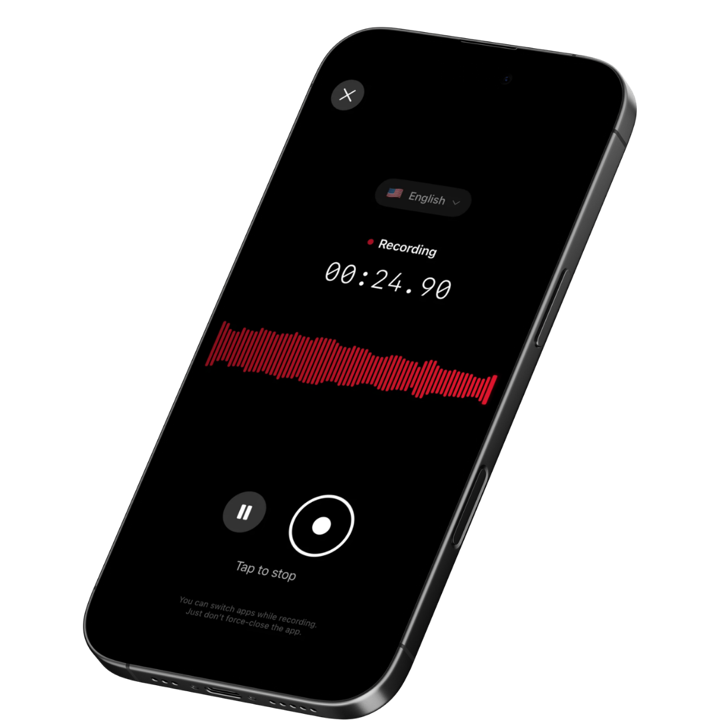
Voice notes let you debrief, document, and reflect in real time. Speak your thoughts after a session or meeting. AI handles the transcription and organization. You keep your focus where it matters - on the people you serve.
Download Speakwise from the App Store and simplify your documentation with one-tap recording, AI transcription, automatic summaries, and Notion sync.
Join 10,000+ professionals who protect their energy by letting AI handle the notes.
Get Speakwise Free
4.9-star App Store Rating | iOS Optimized

🎯 4.9★ App Store Rating | 📱 Built for iOS
