Digital Nomad Statistics 2026


Used by recruiters, executives, consultants, and more.
Digital Nomad Statistics 2026
The global digital nomad community has surpassed 40 million, with 18.1 million from the United States alone - a 147% increase since 2019. Most earn between $50,000 and $250,000 annually, and 69 countries now offer digital nomad visas. 75% of digital nomads are Gen Z or Millennials, and the average nomad is 36 years old with a college degree. These 16 statistics reveal how location-independent work has moved from a fringe lifestyle to a mainstream career model.
Digital nomadism is no longer about backpackers working from beach cafes. It is a structured, growing segment of the global workforce with its own visa programs, tax frameworks, and demographic profile. The 147% growth in US digital nomads since 2019 signals a permanent shift in how professionals think about where work happens.
This post covers 16 statistics on digital nomad demographics, income, destinations, and growth trends. Whether you are considering the nomad lifestyle, managing a team with nomadic members, or developing policy for location-independent workers, these numbers provide the factual foundation.
1. The global digital nomad community has surpassed 40 million
The worldwide digital nomad population exceeded 40 million in 2025, with projections pointing toward 60 million by 2030. This growth reflects the convergence of remote work normalization, improved internet infrastructure globally, and the expansion of digital nomad visa programs. The 40 million figure represents a significant economic force. Digital nomads contribute to local economies in their host countries through accommodation, food, coworking memberships, and entertainment spending. What was once a lifestyle choice for a small group has become a recognizable workforce segment.
Source: Nomads.com - 2026 State of Digital Nomads
2. 18.1 million American workers are digital nomads, a 147% rise since 2019
The United States leads the global digital nomad movement with 18.1 million workers identifying as digital nomads. This represents a 147% increase since 2019 and a 2.2% year-over-year growth in 2025. Americans make up roughly 44% of the global nomad population. The growth accelerated during the pandemic when millions of knowledge workers discovered they could do their jobs from anywhere. Many never returned to a fixed location. The sustained growth post-pandemic confirms this is not a temporary phenomenon but a durable career preference.
Source: MBO Partners - 2025 Digital Nomads Trends Report
3. 75% of digital nomads are Gen Z or Millennials
Younger generations dominate the digital nomad population. Gen Z accounts for 35% and Millennials for 40%, totaling 75% of all digital nomads. The remaining 25% are split among Gen X and Baby Boomers. This generational skew reflects different career expectations. Younger workers prioritize flexibility and experiences over office presence and traditional career ladders. As Gen Z continues entering the workforce and Millennials move into senior roles, the percentage of nomad-friendly decision-makers in organizations will increase, further normalizing location independence.
Source: DemandSage - Digital Nomad Statistics 2026
4. The average digital nomad is 36 years old with a college degree
The typical digital nomad is 36 years old, college-educated, and earning above-average income. 90% of digital nomads have completed higher education. 47% are in their 30s, and 56% are men, though the gender gap is narrowing. This profile challenges stereotypes about nomads being young, unestablished workers. The average age of 36 places most nomads in their peak earning years. They are experienced professionals choosing location independence, not entry-level workers avoiding commitment. Companies seeking to attract this talent pool must offer genuine flexibility.
Source: DemandSage - Digital Nomad Statistics 2026
5. Most digital nomads earn between $50,000 and $250,000 annually
Digital nomad income spans a wide range, with the majority earning between $50,000 and $250,000. About 34% earn between $50,000 and $100,000. The average reported income across various surveys sits around $124,170 per year. These are not poverty-level wages. Digital nomads earn competitive salaries, often from US or European companies while living in locations with lower costs of living. This income arbitrage is a core economic driver of the lifestyle. Nomads earning $75,000 can live exceptionally well in Southeast Asia, Latin America, or Southern Europe.
Source: DemandSage - Digital Nomad Statistics 2026
6. 61% of digital nomads are employed, while 39% are self-employed
The employment split among digital nomads shows that 61% hold traditional employment (full-time or part-time) while 39% are self-employed as freelancers, business owners, or independent contractors. This distribution has shifted toward employment in recent years as more companies adopted remote-first policies. The trend suggests that digital nomadism is increasingly a lifestyle enabled by regular jobs rather than exclusively a freelance phenomenon. Companies with remote policies are effectively creating nomad-compatible positions, whether they intend to or not.
Source: MBO Partners - 2025 Digital Nomads Trends Report
7. 69 countries now offer digital nomad visas
As of 2025, 69 countries offer some form of digital nomad visa, providing legal frameworks for remote workers to live and work temporarily. Top-ranked destinations include Spain, the UAE, Montenegro, Portugal, and Malta. These visa programs represent a competition among nations for high-earning remote workers. Countries benefit from the economic activity nomads bring without the labor market competition of traditional immigration. Visa requirements typically include proof of remote income, health insurance, and a minimum income threshold ranging from $1,500 to $5,000 per month.
Source: Global Citizen Solutions - Global Digital Nomad Report 2025
8. The UAE offers 0% income tax for digital nomads
Several countries have created tax-advantaged environments to attract digital nomads. The UAE offers 0% income tax. Uruguay operates a territorial tax model where foreign income is often exempt. Malta does not tax foreign income that is not remitted to the country. These tax advantages are a significant pull factor. A digital nomad earning $100,000 who moves from a high-tax US state to the UAE could save $30,000 or more in income taxes annually. However, US citizens remain subject to US tax obligations regardless of residence, limiting the benefit for the largest nomad population.
Source: Greenback Tax Services - Digital Nomad Visa Countries 2026
9. The digital nomad population is projected to exceed 60 million by 2030
Growth projections show the global digital nomad population reaching 60 million by 2030, up from 40 million in 2025. This 50% growth over five years reflects the continued expansion of remote work capabilities, improved global internet infrastructure, and the maturation of the digital nomad ecosystem. The growth will be driven by emerging economies where young professionals increasingly access global remote work opportunities. As internet access improves across Africa, South Asia, and Latin America, the nomad population will become less dominated by Western workers.
Source: Nomads.com - 2026 State of Digital Nomads
10. A growing number of companies are implementing digital nomad policies
In 2025, a notable trend emerged: companies began formalizing digital nomad policies. These policies provide frameworks for employees who want to travel while working, addressing tax compliance, time zone expectations, and data security requirements. The shift from informal tolerance to formal policy reflects the scale of employee demand. When 18.1 million Americans identify as digital nomads, companies can no longer ignore the phenomenon. Formal policies reduce legal risk while signaling the flexibility that attracts top talent.
Source: Localyze - The Digital Nomad Boom 2025-2026
11. 2026 is projected to bring a higher share of female and Gen Z nomads
Demographic projections for 2026 show increasing representation of women and Gen Z workers in the digital nomad population. Currently at 44% female, the gender gap is narrowing. Gen Z, already at 35% of the nomad population, is growing fastest. This diversification is driven by online entrepreneurship, social media careers, and flexible career design that appeals particularly to younger women. The shift is significant because it broadens the base of the movement beyond the tech-male stereotype and into a wider range of industries and demographics.
Source: Localyze - The Digital Nomad Boom 2025-2026
12. Spain, the UAE, and Montenegro rank as top digital nomad destinations
The Global Digital Nomad Report 2025 ranks Spain, the UAE, and Montenegro among the top destinations for digital nomads. Rankings consider factors including visa accessibility, internet speed, cost of living, tax environment, safety, and quality of life. Spain offers a well-established nomad visa program with access to the Schengen zone. The UAE provides zero income tax and world-class infrastructure. Montenegro offers European lifestyle at a fraction of Western European costs. Each destination attracts a different nomad profile based on budget, lifestyle preferences, and proximity to major markets.
Source: Global Citizen Solutions - Global Digital Nomad Report 2025
13. 44% of all digital nomads are from the United States
Americans represent 44% of the global digital nomad population, far outpacing any other single country. This dominance reflects the size of the US knowledge economy, the prevalence of remote-friendly employers, and the high purchasing power of US salaries in international markets. A remote worker earning a San Francisco salary while living in Lisbon or Bali enjoys a dramatically different quality of life. The US dominance also means that American policy changes around remote work, taxation, and immigration have outsized effects on the global nomad ecosystem.
Source: Asrify - Digital Nomad Statistics 2025
14. 34% of digital nomads earn between $50,000 and $100,000
The largest single income bracket for digital nomads is $50,000 to $100,000, representing 34% of the population. This middle-income segment is the backbone of the movement. These are professionals earning solid but not extraordinary salaries who leverage geographic arbitrage to improve their quality of life. In many popular nomad destinations, $50,000 to $100,000 supports a comfortable lifestyle with savings. This income bracket is also the most accessible entry point for workers considering the nomad lifestyle, as it represents typical salaries for mid-career knowledge workers.
Source: DemandSage - Digital Nomad Statistics 2026
15. Digital nomad visa income requirements range from $1,500 to $5,000 per month
Digital nomad visa programs set minimum income requirements between $1,500 and $5,000 per month, depending on the country. Lower-cost destinations like Colombia and Thailand set thresholds around $1,500-$2,000. European countries typically require $2,500-$3,500. Premium destinations like the UAE can require $5,000 or more. These thresholds serve two purposes: they ensure nomads can support themselves without accessing local social services, and they attract higher-spending visitors who contribute more to the local economy. Most nomads comfortably exceed these minimums.
Source: Remotely Talents - Guide to Digital Nomad Visas
16. The US digital nomad population grew 2.2% year-over-year in 2025
The US digital nomad population grew 2.2% year-over-year in 2025, reaching 18.1 million. While this growth rate is slower than the explosive pandemic-era expansion, it represents steady maturation. The slowdown reflects market saturation among early adopters rather than declining interest. The next wave of growth will likely come from mid-career professionals who were initially cautious about location independence but are now seeing peers succeed. Continued growth at even modest rates will push the US nomad population past 20 million within a few years.
Source: MBO Partners - 2025 Digital Nomads Trends Report
From Fringe Lifestyle to Global Workforce Segment
These 16 statistics describe a phenomenon that has graduated from subculture to mainstream. Forty million digital nomads worldwide, 69 countries with visa programs, and an average income of $124,170 paint a picture of an established, economically significant workforce segment. The stereotype of the budget backpacker has been replaced by the reality of experienced professionals making deliberate career choices.
The economics are driving adoption. Geographic arbitrage allows nomads to earn competitive salaries while enjoying lower costs of living. Tax-advantaged destinations sweeten the deal further. Companies that embrace location independence tap into a talent pool of 40 million mobile professionals. Those that mandate office presence lose access to this growing segment.
The trajectory is clear. The population is diversifying by gender, age, and industry. Countries are competing to attract nomads through visa programs and tax incentives. Companies are formalizing policies. The infrastructure supporting location-independent work improves every year. The digital nomad movement is not a phase. It is a structural shift in the relationship between work and place.
With 40 million practitioners and 69 countries competing for their presence, digital nomadism has become a permanent feature of the global labor market.---
Capture ideas and meetings from anywhere in the world
Digital nomads work from coworking spaces in Lisbon, cafes in Bali, and apartments in Buenos Aires. The setting changes constantly, but the need to capture important conversations, client calls, and ideas stays the same. Switching between countries and time zones means meetings happen at odd hours, and important details can get lost in the shuffle of constant movement.
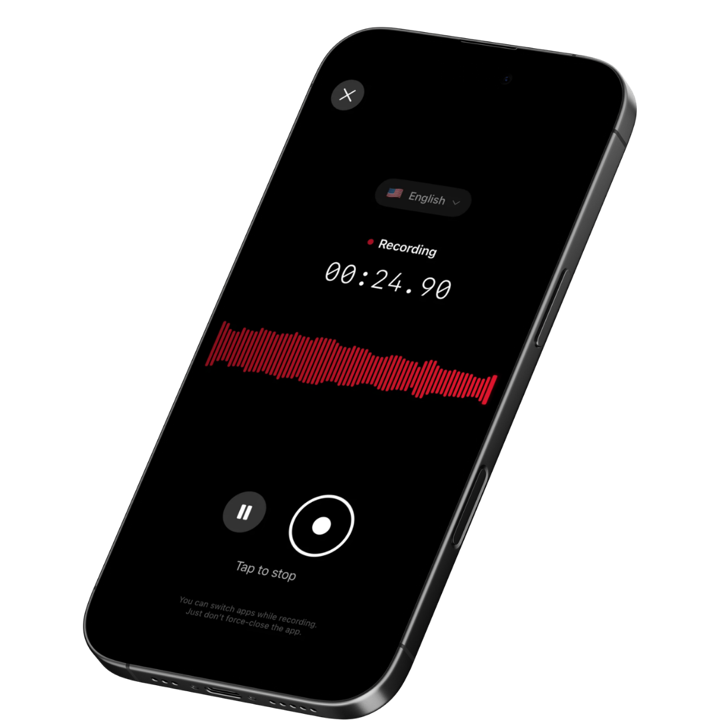
Speakwise travels with you. Record meetings, voice notes, and conversations with one tap on your iPhone. AI transcription works in 100+ languages, making it ideal for nomads working across cultures and markets. Summaries and action items are generated automatically and sync to Notion, so your professional records stay organized no matter where you are.
Download Speakwise from the App Store and keep every conversation organized across time zones, languages, and locations.
Join 10,000+ professionals who capture meetings and ideas with AI-powered voice notes that work anywhere.
Get Speakwise Free
4.9-star App Store Rating | iOS Optimized

🎯 4.9★ App Store Rating | 📱 Built for iOS
