Meeting Cost Statistics 2026: Dollar Impact, Salary Waste, and the True Price of Every Calendar Invite


Used by recruiters, executives, consultants, and more.
Meeting Cost Statistics 2026: Dollar Impact, Salary Waste, and the True Price of Every Calendar Invite
Unproductive meetings cost U.S. businesses $399 billion annually. The average employee's meeting time costs $29,000 per year. Large companies waste up to $145 million annually on unnecessary meetings. With 31 unproductive meeting hours per month per employee and 24 billion hours wasted globally each year, these 17 statistics reveal that every calendar invite carries a price tag-and most organizations have never done the math.
Meetings are the only business activity where organizations routinely spend thousands of dollars per hour without calculating the cost, measuring the return, or questioning whether the expenditure was necessary. A one-hour meeting with eight people isn't "just an hour"-it's eight person-hours of salary, plus preparation time, plus follow-up time, plus the opportunity cost of the deep work that didn't happen. When you do the math, meetings emerge as one of the largest and least examined line items in any organization's budget.
In this post, we'll explore 17 statistics that put a dollar figure on meeting culture in 2025 and 2026. These numbers reveal not just aggregate costs but per-employee expenses, per-meeting price tags, and the ROI of meeting reduction. Whether you're a CFO looking for hidden costs, a manager defending your team's time, or an executive wondering why productivity doesn't match headcount, these data points provide the financial case for rethinking how your organization spends its most expensive resource: people's time.
1. Unproductive meetings cost U.S. businesses $399 billion annually
The aggregate financial toll of meeting dysfunction is staggering. Research shows that unproductive meetings cost U.S. businesses upwards of $399 billion annually-a figure that accounts for the salary costs of time spent in meetings that fail to achieve their stated purpose. To put this in perspective, $399 billion exceeds the GDP of most countries and represents a hidden drag on the American economy that no amount of individual productivity hacking can address. Source: Superhuman/Fellow Meeting Statistics
2. Meeting time costs an average of $29,000 per employee per year
Every employee's meeting burden carries a significant price tag. Research from Flowtrace shows that meeting time costs an average of $29,000 per employee per year-and that's just the direct salary cost of time spent in meetings, before accounting for preparation, follow-up, scheduling overhead, or opportunity costs. For a 100-person company, that's $2.9 million annually spent on meetings alone. The question every organization should ask: is that investment returning proportional value? Source: Flowtrace - 100 Meeting Statistics 2026
3. Large companies with 5,000 employees waste up to $145 million per year on ineffective meetings
The cost of meeting dysfunction scales dramatically with company size. Research shows that for companies employing 5,000 people, inefficient meetings can waste approximately $145 million per year. At enterprise scale, meeting costs become a significant percentage of total labor expenditure-money that could fund entire product teams, research initiatives, or strategic investments. Yet few organizations track meeting costs with the same rigor they apply to other spending of comparable magnitude. Source: CBS News - Unnecessary Meetings Cost Big Companies $100 Million
4. 24 billion hours are wasted in unproductive meetings globally each year
The time cost of meeting dysfunction is measured in billions. Research estimates that the global workforce wastes 24 billion hours per year in unproductive meetings-time spent in gatherings that participants themselves recognize as unnecessary, unfocused, or redundant. At an average global wage, these 24 billion hours translate into trillions of dollars in economic output that simply evaporates inside conference rooms and Zoom calls. Source: Flowtrace - 100 Meeting Statistics 2026
5. The average employee spends 31 unproductive meeting hours per month
The monthly toll on individual workers is equivalent to losing nearly four full workdays. Research shows that the average employee spends 31 hours in unproductive meetings each month-meetings that lack agendas, run over time, include too many attendees, or fail to produce actionable outcomes. Over a year, that's 372 hours-more than nine full workweeks-spent in meetings that the attendees themselves acknowledge added no value. Source: Notta Meeting Statistics
6. Employees spend 11.3 hours per week in meetings-nearly a third of the workweek
Meeting time has expanded to consume a massive share of the workweek. Research shows that employees now spend an average of 11.3 hours per week in meetings, representing nearly a third of their entire working time. For executives and senior managers, the situation is even more acute: they spend an average of 23 hours per week in meetings, leaving barely any time for the strategic thinking and individual contribution their roles demand. At $100 per hour in loaded salary cost, a senior manager's weekly meeting bill is $2,300. Source: Fellow - Meeting Statistics Report
7. Meetings with 8+ attendees cost an estimated $28,000 each
Overstaffed meetings are among the most expensive mistakes in organizational spending. Research shows that meetings with eight or more attendees significantly increase the risk of being ineffective and cost organizations an estimated $28,000 per meeting when accounting for the fully-loaded salary costs of all participants. Yet the common practice of CC'ing an entire team on a meeting invitation-"just in case they need to be there"-ensures that most meetings include participants who contribute nothing and gain nothing. Source: Archie - Meeting Statistics 2025
8. 72% of meetings are deemed ineffective at achieving their stated purpose
The value delivered by most meetings is shockingly low relative to their cost. Atlassian's research found that meetings are ineffective at disseminating information, encouraging collaboration, and accomplishing tasks a staggering 72% of the time. When three-quarters of meetings fail to deliver value, organizations are effectively burning 72% of their meeting budget-tens of millions of dollars for large companies-on gatherings that could have been emails, documents, or brief async updates. Source: Fortune - Atlassian Report
9. 71% of senior executives say meetings are unproductive and inefficient
Even the people scheduling meetings know they don't work. A Harvard Business Review survey found that 71% of senior managers believe meetings are unproductive and inefficient, while 65% said meetings keep them from completing their own work. This executive awareness makes the persistence of meeting culture even more puzzling-leaders acknowledge the problem, bear its costs, and yet continue scheduling the very meetings they find wasteful. Source: Notta Meeting Statistics
10. Only 30% of meetings are considered productive, and just 37% use an agenda
The structural failures of meeting culture are quantifiable. Research shows that only 30% of meetings are considered productive by their participants, and a mere 37% of workplace meetings actively use an agenda. The correlation between these figures isn't coincidental: meetings without agendas drift, run long, and fail to produce decisions. Yet the simple act of preparing an agenda-which takes minutes and costs nothing-remains absent from nearly two-thirds of all business meetings. Source: Notta Meeting Statistics
11. Time wasted in unproductive meetings has doubled since 2019-now 5 hours per week
The meeting waste problem is accelerating, not improving. Research found that time wasted in unproductive meetings has doubled since 2019, reaching 5 hours per week per employee. That's 260 hours annually-over six full workweeks-spent in meetings that workers themselves recognize as wasteful. The doubling of this figure in just five years, despite widespread awareness of "meeting culture" problems, suggests that organizational inertia is stronger than individual frustration. Source: Archie - Meeting Statistics 2025
12. Reducing meetings by 40% increases productivity by 71%
The ROI of meeting reduction is extraordinary. A study by Benjamin Laker reported in Harvard Business Review found that when meetings were cut by 40%, employee productivity increased by 71%-nearly a doubling of output from a less-than-half reduction in synchronous time. Additionally, satisfaction improved and turnover risk decreased. If any other business investment promised a 71% productivity return, it would be approved immediately. Yet most organizations resist cutting meetings because the cost of meetings is invisible and the value is assumed. Source: FlexOS - Atlassian Research Analysis
13. 48% of workers said their most recent meeting was unnecessary
Nearly half of all meetings shouldn't have happened at all. Research from Asana found that 48% of workers said their most recent meeting was unnecessary, 53% called it a waste of time, and 61% said little was accomplished. When nearly half the workforce views their last meeting as unnecessary, the cumulative waste across organizations is immense. Each unnecessary meeting represents not just wasted salary but a missed opportunity for the deep work that drives actual business value. Source: Archie - Meeting Statistics 2025
14. Managers spend 13 hours per week in meetings-$33,800 in annual salary cost
Managers bear a disproportionate meeting burden. Research shows that managers spend an average of 13 hours per week in meetings. At an average fully-loaded manager salary of $130,000 per year, those 13 weekly hours represent approximately $33,800 annually-more than a quarter of their total compensation-spent in synchronous gatherings. For the organization, this means a significant portion of management payroll funds attendance rather than the coaching, strategic thinking, and decision-making that managers are hired to provide. Source: Flowtrace - 100 Meeting Statistics 2026
15. 92% of workers multitask during meetings-effectively doubling the waste
The actual attention invested in meetings is far less than the time committed. Research found that 92% of workers admit to multitasking during virtual meetings-checking email, messaging colleagues, or working on other tasks. This near-universal multitasking means organizations are paying for full attendance but receiving fractional attention. A one-hour meeting where most participants are half-present delivers roughly 30 minutes of collective value-at the full price of eight person-hours of salary. Source: Flowtrace - State of Meetings Report 2025
16. 80% of workers say they'd be more productive with fewer meetings
The solution, according to those who attend them, is obvious. Atlassian found that 80% of respondents agree they would be more productive if they spent less time in meetings. This isn't a fringe opinion-it's a near-consensus from the people most affected by meeting culture. When four in five employees can identify the problem and the solution, the remaining barrier isn't awareness but organizational will: someone has to be willing to cancel the meeting. Source: Atlassian Workplace Woes: Meetings
17. 44% of workers actively dread meetings
Perhaps the most telling cost of meeting culture is measured not in dollars but in morale. Research shows that 44% of workers actively dread meetings, with 45% making excuses or lying to avoid them. When nearly half your workforce approaches a daily activity with dread, the organizational health implications extend far beyond lost productivity-you're creating a culture of avoidance, resentment, and disengagement that poisons the very collaboration meetings are supposed to foster. Source: Archie - Meeting Statistics 2025
The Meeting Cost Paradox: The Biggest Expense Nobody Tracks
The statistics reveal a remarkable blind spot in organizational finance. Companies that negotiate fiercely over $50,000 software contracts routinely burn millions on meetings without calculating the cost, measuring the return, or questioning the necessity. If the meeting budget appeared as a line item on the P&L-right next to real estate, technology, and benefits-it would likely be the first item flagged for reduction.
The root cause is that meeting costs are invisible. They don't appear in any budget. No one signs a purchase order for a meeting. The salary costs are embedded in headcount, the time costs are absorbed by individuals, and the opportunity costs-the work that didn't happen, the decisions that were delayed, the innovation that was never attempted-are completely invisible in financial reporting.
The solution starts with making the invisible visible. Calculate meeting costs using available tools. Track meeting hours as a team metric. Require agendas for all meetings. Set default meeting lengths to 25 or 50 minutes instead of 30 or 60. And most importantly, create a cultural norm where canceling an unnecessary meeting is celebrated, not questioned.
The question isn't whether your meetings are expensive-the data proves they are. The question is whether you'll continue spending $29,000 per employee per year without ever asking what you're getting in return.---
Ready to capture meeting value without the meeting cost?
The uncomfortable truth about meetings is that the information shared often matters-it's the format that's wasteful. Important decisions get made, key context gets shared, and valuable ideas emerge. But when the only way to access that information is to sit in a room (or on a Zoom call) for an hour, the cost per insight becomes absurdly high.
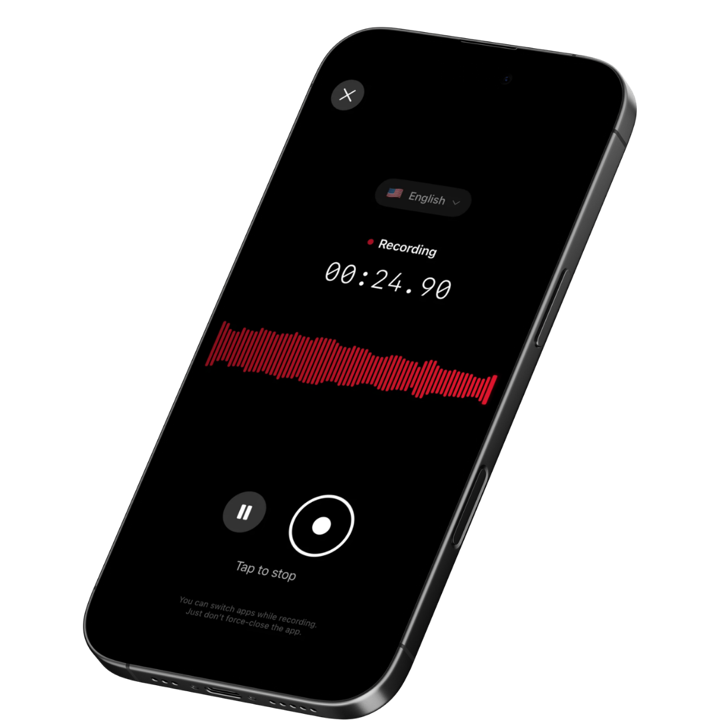
Voice recording separates the information from the format. Capture the meeting in minutes. Let AI summarize the key points. Share the transcript with everyone who would have attended "just in case." The information flows; the calendar stays clear.
Download SpeakWise from the App Store and discover how one-tap recording, AI transcription, intelligent summaries, and Notion integration can help you get meeting value at a fraction of the meeting cost.
Join 10,000+ professionals who've discovered that the best way to reduce meeting costs isn't fewer meetings-it's smarter information capture.
Get SpeakWise Free →
4.9★ App Store Rating | iOS Optimized

🎯 4.9★ App Store Rating | 📱 Built for iOS
