Notion vs Coda: Honest Comparison (2026)


Used by recruiters, executives, consultants, and more.
Notion vs Coda: Which Is Better in 2026?
Notion is the better choice for most teams in 2026. It is easier to learn, offers a more polished interface, has stronger documentation and wiki features, and costs less for small teams. Coda wins for power users who need advanced formulas, custom automation, and app-like workflows built without code. If your team primarily needs docs, wikis, and simple databases, choose Notion. If you need a no-code platform that replaces multiple tools with custom logic, choose Coda.
Both Notion and Coda are all-in-one workspace platforms that combine documents, databases, and collaboration. They compete directly for teams that want to consolidate tools into a single platform. The overlap is significant, making the choice genuinely difficult. This comparison breaks down seven dimensions to help you decide.
Notion vs Coda at a Glance
| Feature | Notion | Coda |
|---|---|---|
| Best For | Docs, wikis, and databases | Custom workflows and automation |
| Platform | Web, Mac, Windows, iOS, Android | Web, iOS, Android |
| Database Power | Strong (linked databases) | Advanced (200+ functions) |
| Automation | Basic (Notion automations) | Advanced (Packs, formulas) |
| AI Features | Notion AI (built-in) | Coda AI (built-in) |
| Integrations | 200+ native | 600+ via Packs |
| Learning Curve | 1-3 months | 3-6 months |
| Pricing From | Free / $10/user/mo | Free / $10/doc maker/mo |
| G2 Rating | 4.6/5 (10,494 reviews) | 4.6/5 (490 reviews) |
What Is Notion?
Notion is an all-in-one workspace that combines documents, databases, wikis, kanban boards, and project management. Over 100 million users rely on it for personal notes and enterprise-scale documentation. Notion's strength is balancing power with usability. Its relational databases are capable enough for most teams, and the document editor produces clean, well-structured pages. Notion AI helps with summarization, drafting, and database auto-fill. The platform has a 4.6-star G2 rating across 10,494 reviews, with users consistently praising its flexibility.
Notion Key Features
- Linked Databases: Create relational databases with properties, formulas, rollups, and multiple views (table, board, timeline, gallery).
- Team Wikis: Build structured knowledge bases with nested pages, verification badges, and granular permissions.
- Notion AI: Summarize pages, draft content, translate text, and auto-fill database properties using context from your workspace.
- 200+ Integrations: Connect with Slack, GitHub, Figma, Google Drive, Jira, and more.
- Templates: Access 10,000+ community templates for project management, CRMs, meeting notes, and workflows.
Notion Pricing
- Free: Unlimited pages for individuals, basic collaboration
- Plus: $10/user/month (annual) - unlimited file uploads, 30-day history
- Business: $20/user/month (annual) - advanced permissions, full Notion AI
- Enterprise: Custom pricing - SSO, audit log, dedicated support
What Is Coda?
Coda is a document-meets-spreadsheet platform that lets teams build custom workflows, apps, and automations without code. It combines the flexibility of documents with the power of a spreadsheet formula engine. Coda's 200+ functions and programming-like syntax let you trigger actions, modify data across tables, and execute multi-step workflows. The Packs system provides 600+ integrations that function as platform features rather than simple connections. Coda has a 4.6-star G2 rating across 490 reviews and is popular with product, engineering, and operations teams.
Coda Key Features
- Advanced Formulas: Over 200 functions with programming-like syntax that trigger actions, modify data, and execute workflows.
- Packs: 600+ pre-built integrations that pull live data from tools like Jira, Salesforce, GitHub, and Slack into your docs.
- Automation: Build multi-step automations with conditional logic, scheduled triggers, and cross-table actions.
- Coda AI: Generate content, analyze data, create formulas, and summarize documents with built-in AI.
- Doc Maker Pricing: Only pay for users who create documents. Viewers and editors are free.
Coda Pricing
- Free: Limited document size and automation runs
- Pro: $10/doc maker/month (annual) or $12/month - unlimited docs, more automations
- Team: $30/doc maker/month (annual) or $36/month - unlimited automations, advanced controls
- Enterprise: Custom pricing - SSO, admin tools, dedicated support
Head-to-Head Comparison
Documents and Writing
Notion delivers a better document experience. Its editor is clean, supports rich formatting, and produces pages that look professional. The wiki system with nested pages, breadcrumbs, and verification badges is mature. Coda's document editor is functional but feels more like a tool for building than for writing. For teams that create documentation, SOPs, and knowledge bases, Notion's writing experience is superior.
Winner: Notion - cleaner editor, better wiki system, and more polished document experience
Database and Formula Power
Coda wins on raw database power. Its 200+ functions and programming-like formula language let you build complex calculations, conditional logic, and cross-table workflows. Notion's databases support formulas, rollups, and relations, but the formula language is simpler. For teams that need spreadsheet-level logic inside their workspace, Coda provides significantly more capability.
Winner: Coda - 200+ functions with programming-like syntax for advanced workflows
Automation
Coda's automation engine is more powerful. You can create multi-step workflows with conditional logic, scheduled triggers, time-based rules, and actions that modify data across tables. Notion added automations in 2024-2025, but they are simpler and cover fewer use cases. For teams that want to replace Zapier or built-in automation within their workspace, Coda is the stronger platform.
Winner: Coda - multi-step automations with conditional logic and scheduled triggers
Integrations
Coda offers 600+ integrations through its Packs system, pulling live data from external tools directly into your documents. This means you can display Jira tickets, Salesforce deals, or GitHub issues inside a Coda table with real-time updates. Notion connects with 200+ tools but treats integrations as connections rather than embedded data sources. Coda's approach is more powerful for teams that want a unified view of data from multiple tools.
Winner: Coda - Packs pull live data from 600+ tools into your documents
Ease of Use and Learning Curve
Notion is significantly easier to learn. Most users reach basic proficiency in 1-3 months, with simple formulas taking just 1-2 hours to grasp. Coda requires 3-6 months for proficiency, and its formula language demands 5-10 hours of dedicated learning. Notion's larger community also means more tutorials, templates, and guides. For teams that need quick adoption, Notion has a clear advantage.
Winner: Notion - faster onboarding with a gentler learning curve
AI Features
Both platforms offer built-in AI. Notion AI integrates across the workspace, summarizing pages, drafting content, translating text, and auto-filling database properties. Coda AI helps generate content, create formulas, analyze data, and summarize documents. Notion AI benefits from deeper workspace context. Coda AI benefits from its formula engine, helping users build complex logic they could not write manually. Both are useful, but Notion AI feels more broadly applicable.
Winner: Notion - broader AI integration across documents, databases, and wikis
Pricing and Value
Pricing depends on team composition. Notion charges per user at $10/user/month (Plus). Coda charges per doc maker at $10/doc maker/month (Pro), with viewers and editors free. For a 100-person team with 20 creators and 80 viewers, Notion costs $1,000/month while Coda costs $200/month. At scale, Coda's doc-maker model saves significantly. For small teams where everyone creates content, costs are similar.
Winner: Coda - doc-maker pricing saves significantly for teams with many viewers
Who Should Choose Notion?
- You should choose Notion if your team needs documentation, wikis, and knowledge bases
- You should choose Notion if ease of adoption is a priority and your team has limited technical skill
- You should choose Notion if you want a polished, well-designed workspace that is pleasant to use daily
- You should choose Notion if your team is small and everyone creates content
- You should choose Notion if you need desktop apps for Mac and Windows
Who Should Choose Coda?
- You should choose Coda if you need advanced formulas and spreadsheet-like logic in your workspace
- You should choose Coda if automation is central to your workflow and you want to replace Zapier
- You should choose Coda if your team has many viewers or editors but few document creators
- You should choose Coda if you want live data from 600+ tools pulled directly into your documents
- You should choose Coda if your product or engineering team builds custom internal tools
Speakwise gets your hours back.
- ✓Built for in-person meetings, interviews, and site visits.
- ✓Trusted by recruiters, consultants, agents, and field pros.
- ✓One tap to record. Notion-ready summary in minutes.

Frequently Asked Questions
Is Notion better than Coda?
Notion is better for teams that need documentation, wikis, and databases with a gentle learning curve. Coda is better for teams that need advanced formulas, automation, and custom no-code workflows. Most teams under 50 people will find Notion sufficient. Teams with complex operational workflows or heavy spreadsheet needs often prefer Coda's power.
Can I use Notion and Coda together?
Yes, but there is significant overlap. Some teams use Notion for documentation and wikis while using Coda for operational workflows and data-heavy processes. Coda offers a Notion Pack that can pull Notion data into Coda documents. However, running both adds complexity and cost.
Which is cheaper, Notion or Coda?
It depends on your team structure. For a 10-person team where everyone creates content, Notion and Coda cost the same at $100/month (annual). For a 100-person team with 20 creators and 80 viewers, Notion costs $1,000/month while Coda costs $200/month. Coda's doc-maker pricing scales better for large teams with many consumers of content.
Is there a better alternative to both Notion and Coda?
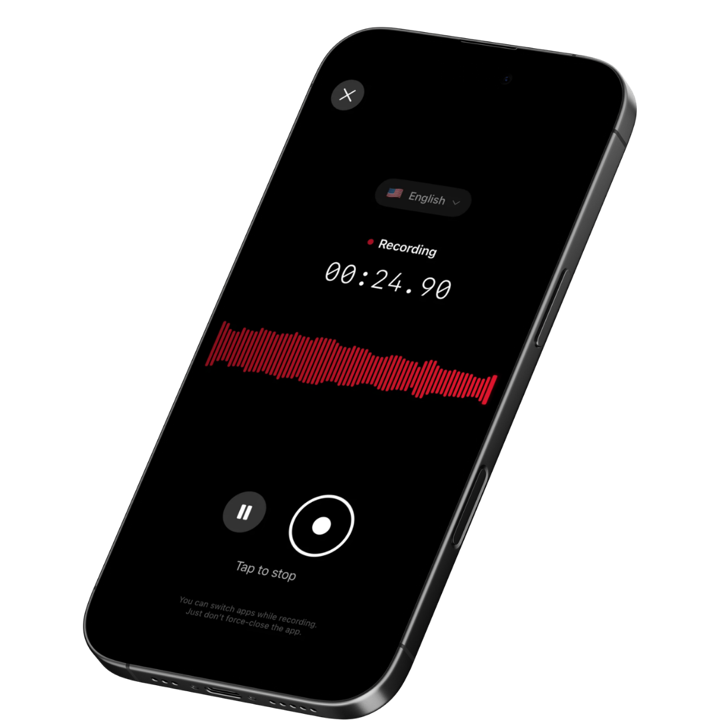
If your primary need is capturing meeting notes and voice recordings rather than building workflows, Speakwise offers a focused solution. It records conversations on iPhone or AirPods, transcribes in 100+ languages with 95%+ accuracy, generates AI summaries with action items, and syncs directly to Notion. At $59.99/year, it pairs well with Notion as a voice capture front-end for your workspace.
Does Coda have a desktop app?
Coda does not offer native desktop apps for Mac or Windows. It runs entirely in the browser and has mobile apps for iOS and Android. Notion offers native apps for Mac, Windows, iOS, and Android. If you prefer a dedicated desktop app over a browser tab, Notion has the advantage.
Final Verdict: Notion vs Coda
Notion is the better workspace for most teams in 2026. Its cleaner interface, easier learning curve, robust wiki system, and desktop apps make it the safer choice for documentation, knowledge management, and team collaboration. Teams that need a polished, well-rounded workspace will be happy with Notion.
Coda is the better choice for power users and technical teams. Its formula engine, automation capabilities, and Packs system let you build custom internal tools that replace multiple SaaS subscriptions. If your team thinks in spreadsheets and needs workflow automation, Coda delivers capabilities Notion cannot match.
For teams that need to capture spoken content and meeting notes, Speakwise integrates directly with Notion to turn voice recordings into searchable, structured notes.
Bottom line: Notion wins on usability and documentation. Coda wins on formulas and automation. Most teams should start with Notion.> If your team captures meeting notes and voice recordings, download Speakwise from the App Store and sync transcripts directly to your Notion workspace.
🎯 4.9★ App Store Rating | 📱 Built for iOS
