Slack vs Microsoft Teams: Comparison (2026)


Used by recruiters, executives, consultants, and more.
Slack vs Microsoft Teams: Which Is Better in 2026?
Slack is the better choice for teams that rely on third-party integrations, fast messaging, and workflow automation in 2026. Microsoft Teams wins for organizations already using Microsoft 365 that need built-in video conferencing and document collaboration. Slack Pro costs $7.25/user/month. Teams Essentials costs $4/user/month. Choose Slack for messaging-first workflows. Choose Teams for Microsoft-integrated workplaces.
Both Slack and Microsoft Teams are team communication platforms with messaging, channels, file sharing, and video calls. They serve the same core purpose but take different approaches. Slack is messaging-first with an open integration ecosystem. Teams is a communication hub inside the Microsoft 365 suite. This comparison covers seven dimensions to help you decide.
Slack vs Microsoft Teams at a Glance
| Feature | Slack | Microsoft Teams |
|---|---|---|
| Best For | Fast messaging and integrations | Microsoft 365 organizations |
| Platform | Web, iOS, Android, Mac, Windows, Linux | Web, iOS, Android, Mac, Windows |
| Video Conferencing | Huddles (basic) | Full-featured (breakout rooms) |
| Integrations | 2,600+ apps | 1,000+ apps + Office 365 |
| AI Features | Agentforce AI (Business+) | Copilot (premium add-on) |
| File Storage | 10GB-20GB per member | 5GB-1TB per user |
| Max Participants (Video) | 50 (Huddles) | 1,000 (meetings) |
| Pricing From | Free / $7.25/user/mo | Free / $4/user/mo |
| G2 Rating | 4.5/5 (38,176 reviews) | 4.4/5 (17,822 reviews) |
What Is Slack?
Slack is a messaging-first communication platform designed for fast, organized team conversations. It structures work into channels, direct messages, and threads that keep topics separated and searchable. Slack's open integration ecosystem connects to 2,600+ third-party apps, making it the hub for teams that use diverse cloud tools. With a 4.5-star G2 rating from over 38,000 reviews, Slack is the most-reviewed team communication tool on the platform. It serves creative agencies, startups, engineering teams, and companies that prioritize messaging speed and workflow automation over video conferencing.
Slack Key Features
- Channels and Threads: Organize conversations by topic, project, or team with threaded replies to keep discussions focused.
- 2,600+ Integrations: Connect to GitHub, Jira, Salesforce, Google Drive, Figma, and thousands more without leaving Slack.
- Workflow Builder: Create custom automations for approvals, standup reminders, onboarding flows, and routine tasks.
- Slack Huddles: Quick audio and screen-sharing calls that start with one click for informal real-time conversations.
- Powerful Search: Search across all messages, files, and channels with filters for people, dates, and content types.
Slack Pricing
- Free: Limited message history, 1-to-1 video calls, 10 integrations
- Pro: $7.25/user/month (annual) - unlimited history, group video, unlimited integrations
- Business+: $12.50/user/month (annual) - SSO, data exports, advanced AI features
- Enterprise Grid: Custom pricing for large organizations with multiple workspaces
What Is Microsoft Teams?
Microsoft Teams is a communication and collaboration platform built into the Microsoft 365 ecosystem. It combines chat, video meetings, file storage, and Office app integration in one interface. Teams stands out for video conferencing with support for up to 1,000 participants, breakout rooms, Together Mode, and live events for up to 100,000 attendees. With a 4.4-star G2 rating from 17,822 reviews, Teams is the default communication tool for organizations that run on Microsoft 365. It integrates directly with Word, Excel, PowerPoint, SharePoint, and OneDrive, making it a natural fit for document-heavy workplaces.
Microsoft Teams Key Features
- Video Meetings: Full-featured video conferencing with breakout rooms, backgrounds, recording, and live captions.
- Office 365 Integration: Open, edit, and collaborate on Word, Excel, and PowerPoint files directly within Teams.
- Together Mode: Virtual shared spaces that place participants in a single visual environment for more natural meetings.
- Live Events: Host webinars and broadcasts for up to 100,000 attendees with Q&A and moderation tools.
- SharePoint Integration: Access team files, wikis, and knowledge bases stored in SharePoint without leaving Teams.
Microsoft Teams Pricing
- Free: 100 participants, 60-minute group meetings, 5GB storage
- Teams Essentials: $4/user/month (annual) - 300 participants, 10GB storage, file sharing
- Microsoft 365 Business Basic: $6/user/month - Teams + web Office apps + 1TB OneDrive
- Microsoft 365 Business Standard: $12.50/user/month - Teams + desktop Office apps
- Microsoft 365 Business Premium: $22/user/month - advanced security features
Head-to-Head Comparison
Messaging and Chat Experience
Slack delivers a faster, more intuitive messaging experience. Its channel organization, threaded conversations, and search are best-in-class. Messages feel snappy. Notifications are granular. Teams chat is functional but often feels slower and cluttered, especially when channels mix with meeting invites, files, and app tabs. For teams where messaging is the primary workflow, Slack provides a noticeably better daily experience.
Winner: Slack - faster, cleaner messaging with better channel organization and search
Video Conferencing
Microsoft Teams is a significantly stronger video platform. It supports up to 1,000 meeting participants, breakout rooms, Together Mode, live captions, and meeting recording. Live Events can reach 100,000 attendees. Slack Huddles are limited to 50 participants with basic audio and screen sharing. For organizations that rely on video meetings, Teams is the clear winner without question.
Winner: Microsoft Teams - full-featured video with 1,000 participants, breakout rooms, and recording
Integrations
Slack connects to 2,600+ third-party apps. GitHub, Jira, Salesforce, Figma, and nearly every cloud tool has a Slack integration. Teams integrates with 1,000+ apps but its strength is deep Microsoft 365 integration. If your stack is Microsoft-centric (Word, Excel, SharePoint, OneDrive), Teams works better. If you use diverse cloud tools from multiple vendors, Slack's ecosystem is broader and more polished.
Winner: Slack - 2,600+ integrations with deeper third-party app ecosystem
File Collaboration
Microsoft Teams integrates directly with SharePoint and OneDrive. You can open, edit, and co-author Word, Excel, and PowerPoint files without leaving Teams. Slack supports file sharing and links to Google Drive, Dropbox, and other storage, but does not offer native document editing. For document-heavy teams that need real-time co-editing, Teams provides a seamless experience that Slack cannot match.
Winner: Microsoft Teams - native Office document editing and SharePoint integration
AI Features
Slack offers Agentforce AI agents on Business+ and Enterprise plans for workflow automation, data analysis, and recommendations. Microsoft Teams Copilot provides meeting summaries, action item extraction, message drafting, and chat catch-up. Teams Copilot requires a Microsoft 365 Copilot license (additional cost). Both platforms are investing heavily in AI. Teams Copilot currently offers more meeting-focused AI features.
Winner: Microsoft Teams - meeting summaries and action item extraction via Copilot
Pricing and Total Cost
Comparing standalone prices, Teams Essentials ($4/user/month) costs less than Slack Pro ($7.25/user/month). However, the real value of Teams comes with Microsoft 365 bundles. For $6/user/month, you get Teams plus web Office apps plus 1TB OneDrive. Slack only provides communication. Comparing apples to apples is difficult because Teams bundles productivity tools that you would pay separately for alongside Slack. For Microsoft 365 organizations, Teams is effectively free.
Winner: Microsoft Teams - cheaper standalone and included with Microsoft 365 bundles
Onboarding and UX
Slack wins on user experience. Its interface is clean, fast, and intuitive. New team members understand channels and messaging within minutes. Teams has a more complex interface with tabs, meetings, files, and apps all competing for attention. Power users appreciate Teams' depth, but casual users often find it overwhelming. Slack's focus on simplicity results in faster adoption.
Winner: Slack - cleaner interface with faster adoption across all team members
Who Should Choose Slack?
- You should choose Slack if messaging speed and channel organization are your top priorities
- You should choose Slack if your team uses diverse cloud tools like GitHub, Jira, Figma, and Salesforce
- You should choose Slack if you want a clean, fast interface that non-technical teammates adopt easily
- You should choose Slack if you prefer workflow automation via Slack's Workflow Builder
- You should choose Slack if your team does not rely heavily on Microsoft Office products
Who Should Choose Microsoft Teams?
- You should choose Teams if your organization already uses Microsoft 365 for email, documents, and storage
- You should choose Teams if video conferencing with breakout rooms and large meetings is a core requirement
- You should choose Teams if you need real-time co-authoring of Word, Excel, and PowerPoint files
- You should choose Teams if budget matters and you want communication bundled with productivity tools
- You should choose Teams if you need to host webinars or live events for thousands of attendees
Speakwise gets your hours back.
- ✓Built for in-person meetings, interviews, and site visits.
- ✓Trusted by recruiters, consultants, agents, and field pros.
- ✓One tap to record. Notion-ready summary in minutes.

Frequently Asked Questions
Is Slack better than Microsoft Teams?
For messaging-first teams that use diverse cloud tools, yes. Slack delivers a faster chat experience, better integrations, and cleaner UX. For Microsoft-centric organizations that need strong video conferencing, Teams is better. Teams also wins on total value when bundled with Microsoft 365. The answer depends on your existing tool stack. Microsoft shops should use Teams. Multi-tool shops should evaluate Slack.
Can I use Slack and Microsoft Teams together?
Some organizations do, but it creates communication fragmentation. Messages split across two platforms, and team members must check both tools. A common pattern is using Teams for video meetings and Slack for messaging. This works but is inefficient. Consolidating to one platform reduces context-switching and missed messages.
Which is cheaper, Slack or Microsoft Teams?
Microsoft Teams is cheaper in most scenarios. Teams Essentials costs $4/user/month versus Slack Pro at $7.25/user/month. For Microsoft 365 subscribers, Teams is included at no additional cost. Slack only provides communication, while Microsoft 365 bundles email, storage, and Office apps with Teams. On pure cost per user for communication, Teams wins clearly.
Is there a better alternative to both Slack and Microsoft Teams?
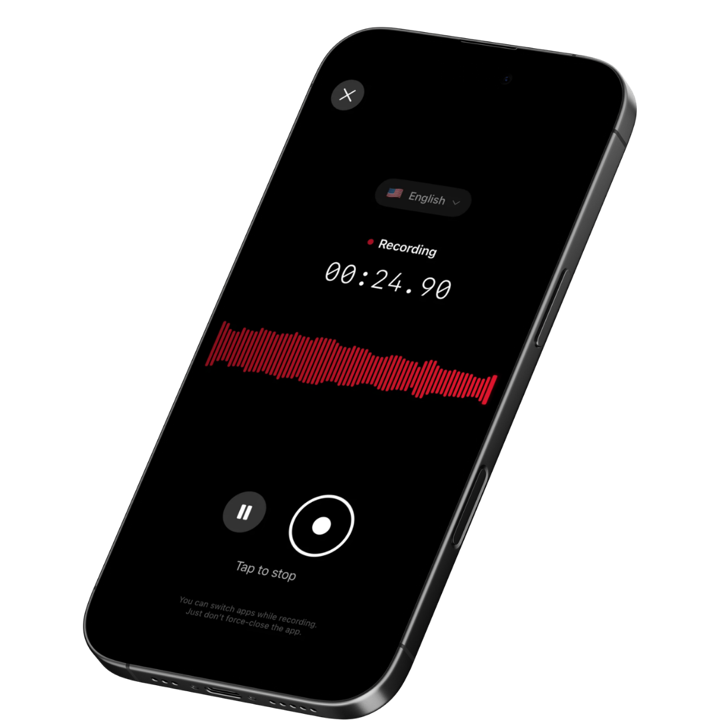
For team messaging and video conferencing, both Slack and Teams are industry leaders. The gap for many teams is not the communication tool itself but capturing what happens during conversations. Speakwise can record and transcribe in-person meetings and calls on your iPhone, extract action items and key decisions, then sync notes to Notion. This pairs well with either Slack or Teams for ensuring meeting outcomes get documented.
Does Slack support video conferencing like Teams?
Slack Huddles support audio, video, and screen sharing for up to 50 participants. However, Huddles lack breakout rooms, meeting recording, live captions, and webinar capabilities that Teams provides. For light, informal video chats, Slack Huddles work fine. For formal meetings, large calls, or events, Teams (or Zoom) is significantly more capable.
Final Verdict: Slack vs Microsoft Teams
Slack is the superior messaging platform in 2026. Its speed, integrations, and user experience make it the best choice for teams that live in chat. Creative agencies, engineering teams, and startups with diverse tool stacks get the most value from Slack.
Microsoft Teams is the superior all-in-one communication platform for Microsoft-centric organizations. Video conferencing, document collaboration, and Microsoft 365 integration make it the natural choice for enterprises. The bundled pricing makes it hard to beat on value.
Both tools capture text-based conversations well. The gap is in-person and face-to-face meetings where decisions happen but nothing gets written down. Speakwise records those conversations on your phone and extracts the notes, summaries, and action items that belong in Slack or Teams.
Bottom line: Slack wins for messaging and integrations. Teams wins for video and Microsoft 365 users. Speakwise captures what happens in meetings that neither tool records.> If important decisions get lost between meetings and chat, download Speakwise from the App Store and capture every in-person conversation with AI transcription and summaries.
🎯 4.9★ App Store Rating | 📱 Built for iOS
