Workplace Gossip Statistics 2026


Used by recruiters, executives, consultants, and more.
Workplace Gossip Statistics 2026
58% of employees observe workplace gossip at least weekly, with 31% hearing it daily. The average gossip session lasts 15 minutes and costs 65 hours of wasted time per employee per year. 47% of employees say gossip creates tension and distrust, and 39% believe it negatively affects career progression. These 15 statistics reveal how gossip shapes workplace culture, trust, and productivity in 2026.
Gossip is one of the most universal and least measured workplace behaviors. It happens in break rooms, on Slack channels, during lunch walks, and in parking lots after meetings. Most organizations have no formal policy on it. Most managers pretend it does not exist. Yet the data shows it consumes significant time, erodes trust, and influences career outcomes in ways that few leaders acknowledge.
This post examines 15 statistics on workplace gossip in 2026. The findings cover how often it happens, what it costs, who it affects, and - perhaps surprisingly - when it actually helps. These numbers are relevant to anyone who manages people, leads teams, or navigates office dynamics.
1. 58% of employees observe workplace gossip at least weekly
More than half of all employees encounter gossip in the workplace on a weekly basis. This figure includes both witnessing gossip between others and being directly involved in gossip conversations. The frequency suggests that gossip is not an occasional occurrence but a persistent feature of workplace culture. For most teams, gossip is as regular as email and nearly as unavoidable.
Source: LiveCareer - How Gossip at Work Impacts Trust and Careers
2. 31% of employees hear workplace gossip daily
Nearly a third of all employees report hearing gossip every single workday. This daily exposure creates a background noise of social information that influences perceptions, relationships, and decisions. For employees who are the subject of this daily gossip, the impact on morale and psychological safety is significant. When gossip is part of the daily rhythm, it becomes normalized in ways that make it harder to address.
Source: LiveCareer - How Gossip at Work Impacts Trust and Careers
3. The average gossip session lasts 15 minutes and costs 65 hours per employee per year
Each gossip conversation may seem brief, but the time adds up fast. The average gossip session lasts 15 minutes. Over the course of a year, these sessions accumulate to approximately 65 hours of wasted time per employee. That is more than 1.5 working weeks spent discussing colleagues rather than completing productive work. For a 100-person team, that equals 6,500 hours of lost productivity annually.
Source: Ardent Staffing - The Harmful Impact of Gossip
4. 65% of all conversation time involves social topics including gossip
Research on conversational patterns reveals that approximately 65% of people's speaking time is devoted to social topics that include gossip about other individuals. This statistic comes from linguistic research studying natural conversation in various settings. It suggests that gossip is not a workplace pathology. It is a fundamental human communication behavior that enters the workplace because people bring their nature with them.
Source: The Human Capital Hub - Workplace Gossip
5. 47% of employees say gossip creates tension and distrust
Nearly half of all employees report that workplace gossip creates tension and distrust among colleagues. When people hear that others are talking about them behind their backs, it corrodes the psychological safety that teams need to collaborate effectively. Trust, once broken by gossip, is difficult to rebuild. The 47% figure suggests this is not a niche concern. It is a majority experience.
Source: LiveCareer - How Gossip at Work Impacts Trust and Careers
6. 47% of employees do not trust anyone at work with confidential information
The trust deficit created by gossip runs deep. 47% of employees say they do not trust anyone at their workplace with confidential information. When nearly half the workforce withholds information from colleagues out of fear it will be shared inappropriately, communication breaks down. Important feedback goes unspoken. Problems go unreported. Honest conversations become rare. Gossip does not just spread information. It prevents the sharing of information that matters.
Source: LiveCareer - How Gossip at Work Impacts Trust and Careers
7. 55% of workplace gossip centers on colleague performance and promotions
The most common topic of workplace gossip is performance. 55% of employees report that gossip conversations focus on colleagues' work tasks, performance reviews, and promotions. This makes gossip a shadow performance management system. When formal feedback is absent or infrequent, gossip fills the void. Employees discuss who is performing well, who is not, and who deserves recognition, creating an informal evaluation that often diverges from official assessments.
Source: LiveCareer - How Gossip at Work Impacts Trust and Careers
8. 48% of gossip happens in break rooms and shared spaces
The break room is ground zero for workplace gossip. 48% of employees say gossip most commonly occurs in break rooms, kitchens, and other shared spaces. These informal gathering points create the conditions gossip thrives in: small groups, low supervision, and unstructured time. This insight is valuable for leaders who want to understand where information flows happen outside of official channels.
Source: LiveCareer - How Gossip at Work Impacts Trust and Careers
9. 43% of employees have been the subject of workplace gossip
Being the target of gossip is not rare. 43% of employees report that they have personally been the subject of workplace gossip. For these individuals, the experience often affects confidence, relationships with colleagues, and willingness to share openly in future interactions. Being gossiped about creates a lasting awareness that what you say or do may be discussed without your knowledge.
Source: LiveCareer - How Gossip at Work Impacts Trust and Careers
10. 39% of employees say gossip negatively affects career progression
Gossip has real career consequences. 39% of employees believe that workplace gossip has negatively influenced their career trajectory. This can happen through damaged reputations, missed promotions based on informal perceptions, or exclusion from opportunities because of negative narratives. The career impact of gossip is particularly insidious because it operates outside formal review processes and is nearly impossible to formally contest.
Source: LiveCareer - How Gossip at Work Impacts Trust and Careers
11. 20% of employees admit to spreading gossip that turned out to be false
One in five employees admits to having shared gossip that later proved to be untrue. False information spreads through gossip networks with the same ease as accurate information. The difference is that false gossip causes damage that no correction fully repairs. Once a narrative takes hold, it shapes perceptions even after it has been debunked. This 20% admission rate likely understates the true prevalence.
Source: LiveCareer - How Gossip at Work Impacts Trust and Careers
12. 14% of coffee-break conversation is true gossip about colleagues
Linguistic research quantifies the gossip content of workplace breaks. Approximately 14% of coffee-break discussion constitutes genuine gossip about fellow employees. While this might seem low compared to the broader 65% social conversation figure, it represents pure evaluative talk about specific colleagues. Over hundreds of breaks per year, this percentage translates to hours of gossip per employee.
Source: The Human Capital Hub - Workplace Gossip
13. Negative gossip increases turnover intention through reduced psychological safety
Research published in Frontiers in Psychology found that negative workplace gossip significantly increases employees' intention to leave by reducing their sense of psychological safety. When employees feel that their colleagues are talking about them negatively, they perceive the workplace as unsafe for vulnerability, risk-taking, and honest communication. This creates a self-reinforcing cycle: gossip reduces safety, reduced safety reduces engagement, and disengaged employees leave.
Source: Frontiers in Psychology - Negative Workplace Gossip and Turnover Intention
14. Positive gossip can strengthen team bonds and cooperation
Not all gossip is harmful. Research from Binghamton University found that positive gossip, including sharing favorable observations about colleagues, can actually strengthen relationships and improve cooperation. When employees speak well of each other behind their backs, it builds a culture of appreciation and mutual respect. The challenge for organizations is distinguishing between constructive social talk and destructive rumor.
Source: Binghamton University - Research on Workplace Gossip Benefits
15. Gossip about supervisors serves as a bonding activity for subordinates
Research highlighted in HR Dive found that gossip about bosses serves a specific social function. When employees talk about their supervisors, it brings them together and creates a sense of solidarity. This bonding function explains why gossip persists despite organizational efforts to discourage it. People gossip not because they are malicious, but because shared commentary on authority figures is one of the oldest forms of social cohesion.
Source: HR Dive - The Good Side of Workplace Gossip
The Gossip Paradox: Social Glue and Organizational Acid
The statistics reveal a complex picture. Gossip is both a bonding mechanism and a trust destroyer. It fills information vacuums while creating new ones. It is universal yet damaging, natural yet costly. The 65 hours per employee per year lost to gossip is significant, but trying to eliminate gossip entirely would likely fail and might remove the social connections that teams need to function.
The more productive approach is addressing the information gaps that fuel destructive gossip. When employees gossip about performance, it is often because they lack transparent feedback systems. When they gossip about decisions, it is because those decisions were made without explanation. When they gossip about changes, it is because leadership failed to communicate them clearly.
Organizations that communicate transparently do not eliminate gossip. They change what people gossip about. Instead of speculation and rumor, conversations shift toward interpretation and meaning-making. The gossip moves from destructive to constructive.
Gossip thrives in the space between what people want to know and what the organization tells them. Close that gap, and the most damaging forms of gossip lose their fuel.---
Replace the rumor mill with clear, documented communication
Destructive gossip grows when important information flows through informal channels instead of official ones. Decisions made in closed-door meetings invite speculation. Verbal feedback that never gets documented becomes distorted as it passes from person to person. Context shared in one-on-one conversations never reaches the wider team.
The antidote is documentation. When meetings are recorded and summarized, everyone gets the same information. When decisions are captured and shared, speculation becomes unnecessary. When feedback is documented, it cannot be distorted by the gossip chain.
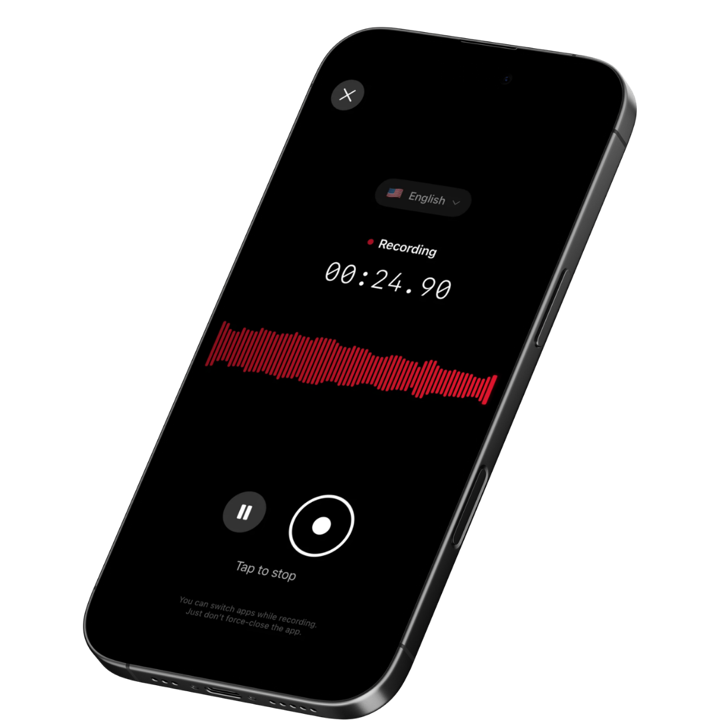
Download Speakwise from the App Store and turn every important conversation into a clear, shareable record with AI transcription, instant summaries, and automatic Notion sync.
Join 10,000+ professionals who reduce workplace miscommunication by capturing conversations the moment they happen.
Get Speakwise Free
4.9-star App Store Rating | iOS Optimized

🎯 4.9★ App Store Rating | 📱 Built for iOS
